
What Is a Dysregulated Nervous System? Signs Busy Professionals Miss
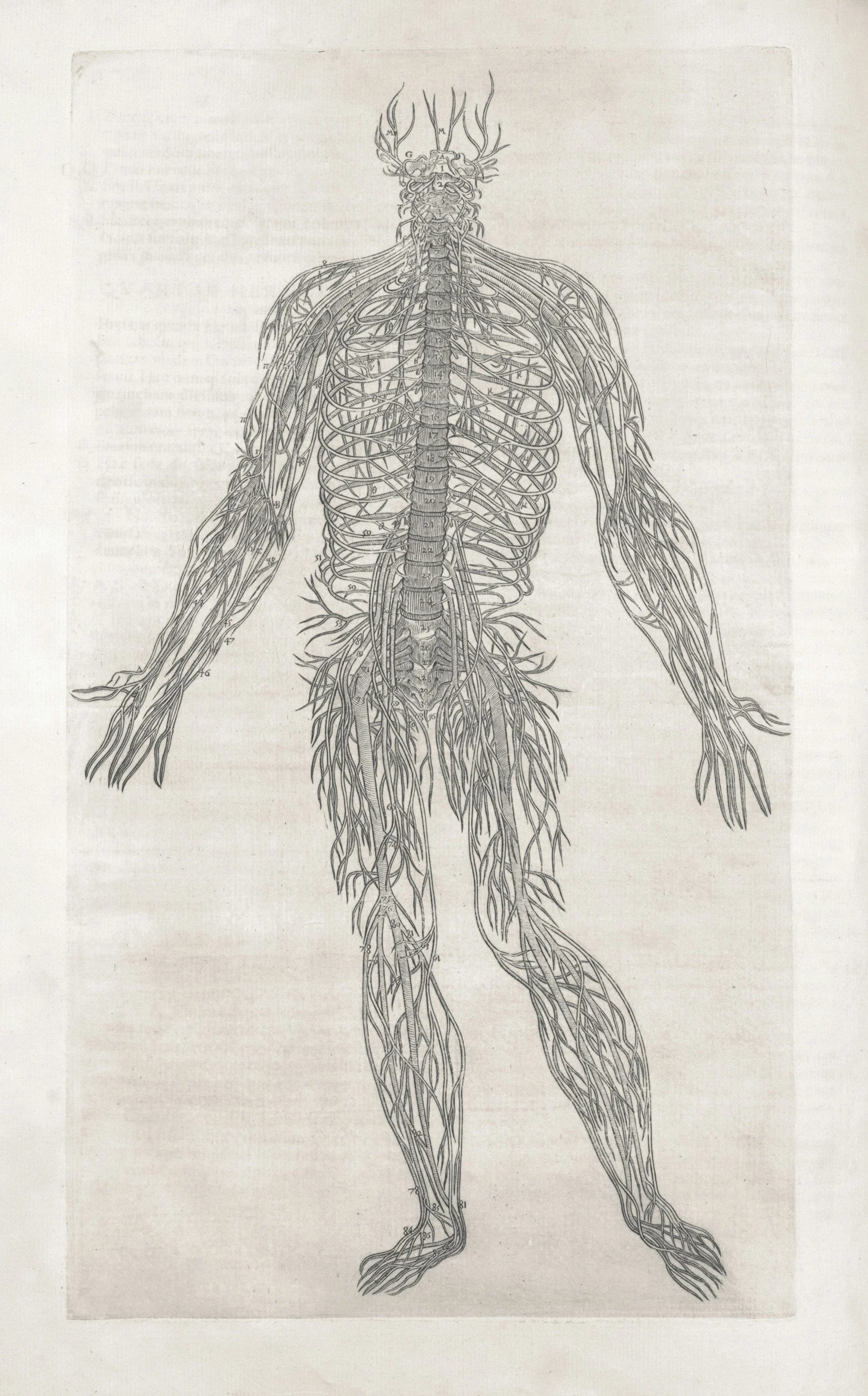
A dysregulated nervous system is one that has lost its natural rhythm of activation and rest, staying stuck in high alert even when no real threat is present. For high-achieving professionals, this state can feel so familiar that it passes for normal. Understanding what dysregulation actually looks and feels like is the first step toward something quieter and more sustainable.
What does nervous system dysregulation actually mean?
Nervous system dysregulation means your body’s stress response system is running in the background almost constantly, without a clear off switch. Your autonomic nervous system is designed to move fluidly between states: alert and engaged when needed, calm and restored when the moment passes. Dysregulation happens when that natural rhythm breaks down, and the body begins to treat ordinary demands like an ongoing emergency.
This is not a character flaw or a sign of weakness. It is a physiological pattern, one that develops gradually in response to sustained pressure over time. Many people who live in this state are extraordinarily capable, deeply committed professionals who have simply never been taught that rest is not a reward for finishing.
How does chronic stress lead to a stuck nervous system?
The nervous system learns from repetition. When stress arrives frequently and rarely has a true release, the body begins to anticipate threat rather than wait for it. The result is a baseline that quietly shifts upward: sleep becomes lighter, digestion grows unpredictable, focus sharpens in some moments and fragments in others.
For many tech managers and senior directors, the pressure never fully lifts. There is always another quarter, another deliverable, another message waiting after hours. The body adapts to this pace by staying ready, and over time, staying ready becomes the only gear it knows.
What are the signs of a dysregulated nervous system in professionals?
The signs of nervous system dysregulation in busy professionals often look like productivity problems rather than stress responses. That is part of what makes them easy to overlook.
Some of the most common patterns include:
Waking between 2 and 4 AM, mind already reviewing tomorrow’s list
Feeling wired but deeply tired at the same time, unable to wind down even when exhausted
Eating quickly, distractedly, or skipping meals and only noticing hunger when it becomes urgent
Reacting to small frustrations with an intensity that surprises even you
Craving constant stimulation, news, scrolling, podcasts, because silence feels uncomfortable
None of these are signs of failing. They are signs of a system that has been working very hard for a very long time.
Is nervous system dysregulation easy to miss?
Dysregulation is easy to miss because modern professional culture often rewards its symptoms. The person who wakes at 5 AM wired and ready, who skips lunch to push through, who always has one more idea at the end of a long day: these behaviors are frequently praised as drive, ambition, or resilience.
The body, however, does not distinguish between ambition and alarm. It responds to internal pressure the same way it responds to external threat. Over time, the cost of that response accumulates quietly: in how food feels, in how deeply you sleep, in how present you are in your own life.
Noticing the pattern is not the same as being broken by it. It is simply paying attention to information your body has been offering for a while.
What helps bring a nervous system back into balance?
Regulation does not require a dramatic intervention.
It tends to happen in small, consistent moments of genuine rest: a meal eaten without a screen, a few slow breaths before a difficult meeting, hands wrapped around a warm cup of tea with nowhere else to be for those three minutes.
Somatic practices, bodywork, and mindful nutrition are not luxuries added on top of a full life.
They are invitations to return to a pace that is actually yours. The nervous system responds to safety, and safety is something you can begin to offer it, gently and without force, through the ordinary rhythms of your day.
If any of this feels recognizable, you are not alone, and there is a quieter way forward.
