
Why I'm Hosting a Wellness Retreat in Japan — and Why It Took Six Years to Get Here
From growing up in Tokyo, to building a wellness studio in Portland, to finally bringing my dream to life in November 2026.
Reading time: 8 min Category: Retreat Author: Miho Hatanaka - co-founder
There is a dream I told Sarah — my business partner and co-founder of House Nine — when we first met over a cup of coffee.
"One day, I want to host a wellness retreat in Japan."
That was 2019. We were just beginning. We had a studio to open, a community to build, a business to figure out as first time business owners. Plus the pandemic.
I put my dream on a shelf — not forgotten, just waiting for the right time. Six years later, that time is finally here.
I've been asked why I'm doing this. Why now. Why Japan. And I realize the answer is really just:
because it has always been the answer.
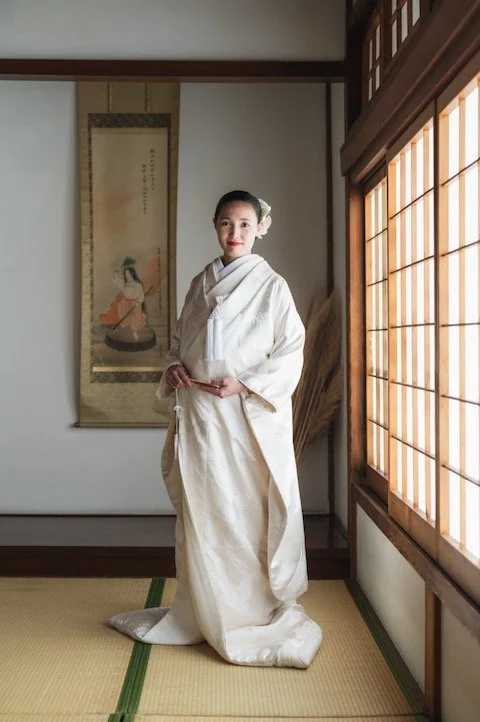
Miho Hatanaka, Co-founder of House Nine wellness, wearing Japanese Wedding Kimono
I Grew Up Carrying Two Japans Inside Me
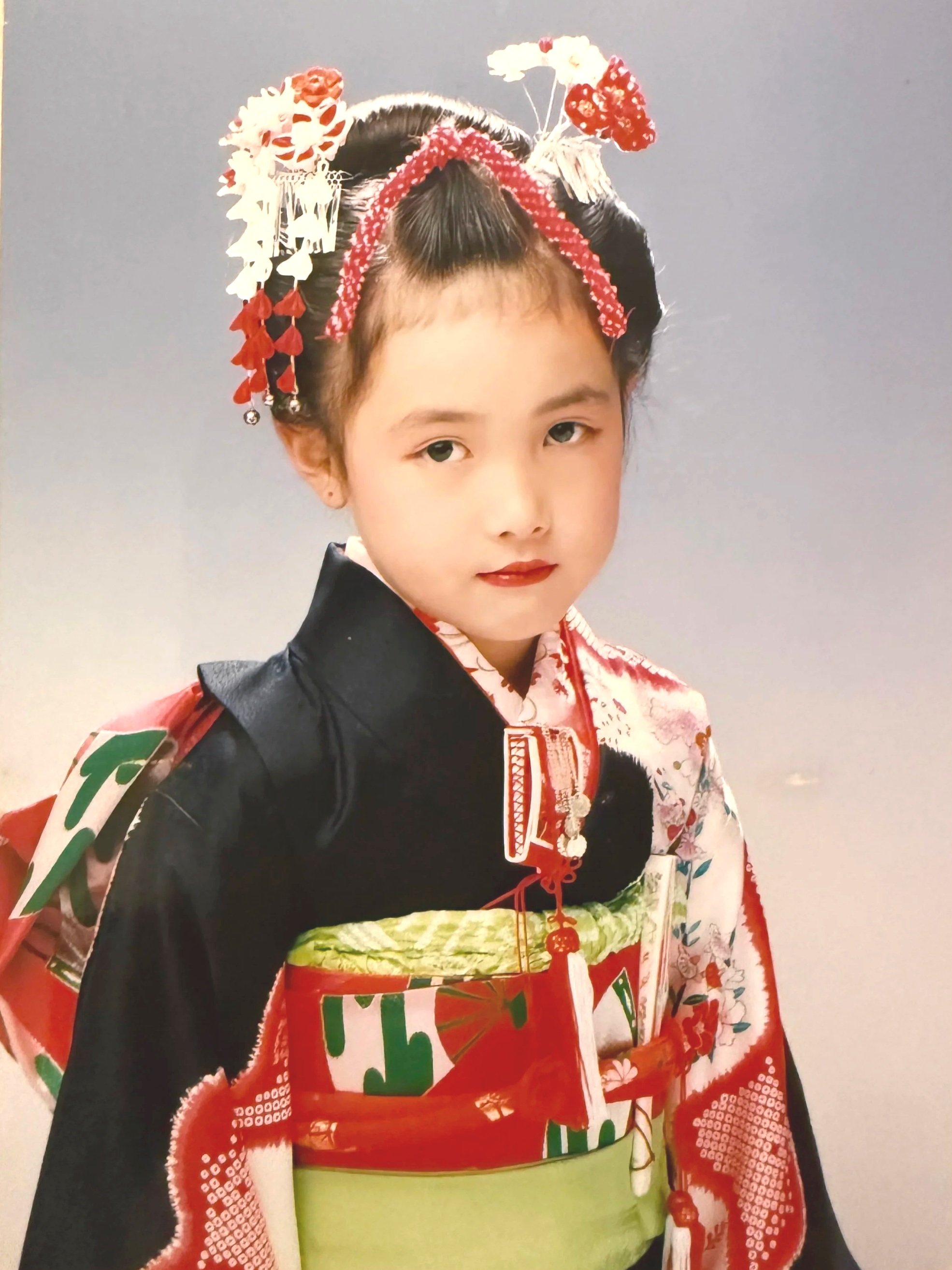
<— Miho, Age 7 for 七五三 Shichi-go-san, to celebrate growth and health of children
I was born and raised in Tokyo, but my family stretches between Tokyo and Osaka — two cities that, if you know Japan, feel like different worlds.
Tokyo is sharp, modern, efficient. Osaka is warm, loud, and deeply food-obsessed in the most loving way.
Growing up between these two cultures taught me something early: that Japan is not one thing. It is layered, regional, nuanced, and full of a wisdom that doesn't announce itself.
When I moved to the United States in 2004, the culture shock I expected — the language barrier and the different customs — was manageable. What genuinely surprised me was the food. Not because it tasted different, but because of how differently it was approached.
In Japan, food isn't just nourishment. It is a practice of attention and respect. A way of honoring the season, the farmer, the person across the table. Eating together is a form of care. That shift — from “food as relationship” to “food as fuel” — was so significant that it influenced my career trajectory. I became a Registered Dietitian because I wanted to bring the Japanese philosophy in addition to the evidence based nutrition, into people's lives here in the U.S.
I Never Really Left Japan Behind
Even as I built a life in the U.S., I kept practicing the things that connected me to home. For seven years, I studied Aikido — a Japanese martial art that emphasizes harmony and the peaceful resolution of conflict. I also played shamisen, the traditional three-stringed Japanese instrument. I practiced taiko drumming and nagauta singing. I danced.
These weren't hobbies. They were how I stayed rooted.
I think many people who live far from the place they grew up understand this — the way certain practices become containers for identity. When everything around you is different, you tend carefully to what keeps you who you are.
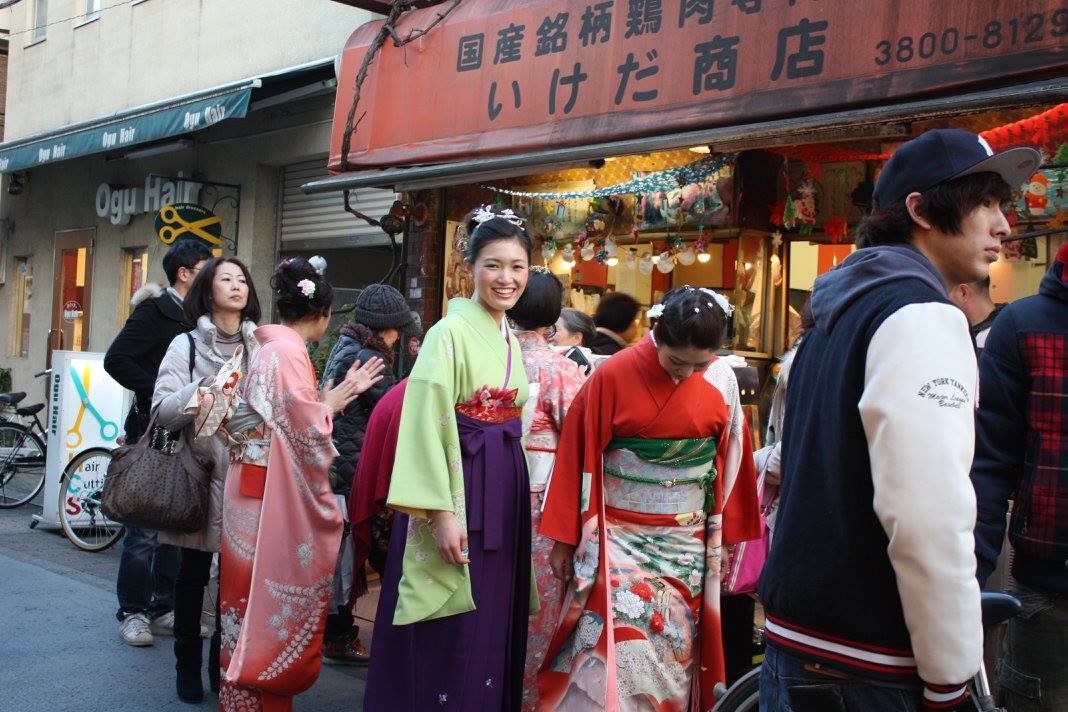
Miho, Age 18, College graduation —>
celebration with her family
What I didn't fully realize until much later is that all of those practices — the martial art, the music, the movement — share the same underlying philosophy. They are all practices of presence. Of attention. Of doing one thing fully, without distraction.
Japan has a thousand ways of teaching this. Most of them don't look like "wellness" from the outside. They just look like a life lived with care.
I've never made a big point of the fact that House Nine is Japanese-owned.
That's partly just who I am and a concept in Japanese culture:
“主張しない
Shuchō shinai
Not being assertive. Letting the quality of your work speak without speaking a word. Doing well quietly, without needing credit.”
I was denied jobs because of this quality in the U.S., I was told I was not assertive enough. And I always thought this was my flaw.
But that is how I have always worked. And I realized recently that I’ve put Japan in every corner of House Nine if you know how to look for it.
The moment you walk in, you feel it — the clarity of the air, a sense of calm order. There's a reason our space feels the way it does. In Japanese aesthetics, the environment is never incidental. It is the first communication. What you see and sense when you enter a space tells you everything about the values of the people who made it.
Even in the back of house — where guests never go — we emphasize cleanliness and organization with the same attention as the front. We are always improving (改善 Kaizen), always looking for what can be more efficient, more to be considered. This is not perfectionism for its own sake. It is a form of respect: for the space, for the people who work in it, for the guests who come to it.
The House Nine company values — Intention, Connection, Empowerment, Openness — are not words we chose from a list. They are a translation of the Japanese philosophy I was raised in, offered in a language that lands here, in this community, in this city.

Treatment room at House Nine wellness & tea in Portland, OR
“I have sprinkled pieces of Japanese wisdom into all the details of House Nine. The retreat is the first time I get to share those roots fully — out loud, in the place they came from.”
Why This Retreat, Why Now
I believe in the power of collective economy — the idea that a business cannot exist through its owners alone. House Nine has been built with and by a community of practitioners, guests, and partners who share these values. After six years of that work, it feels right that the next step is to bring that community to Japan. To show, not just tell, where all of this comes from.
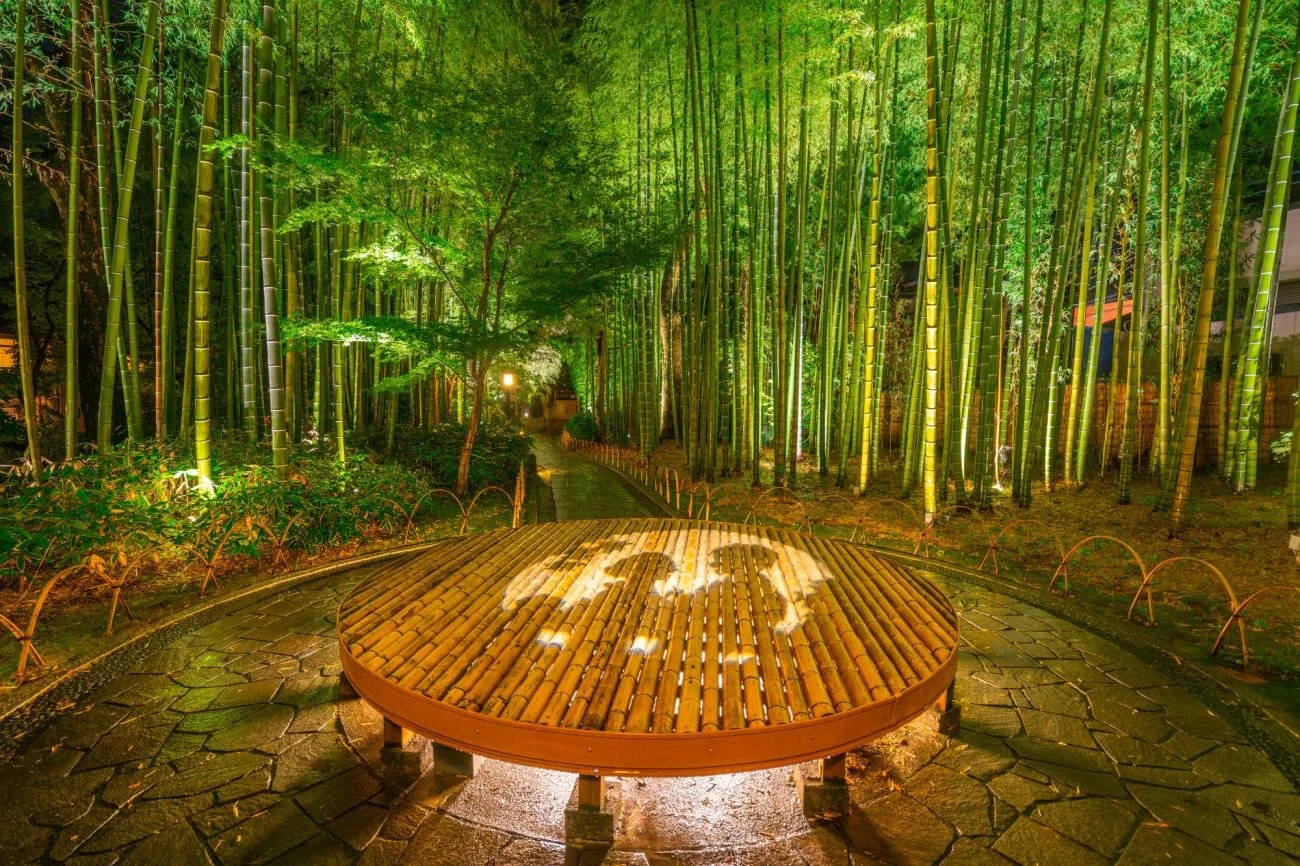
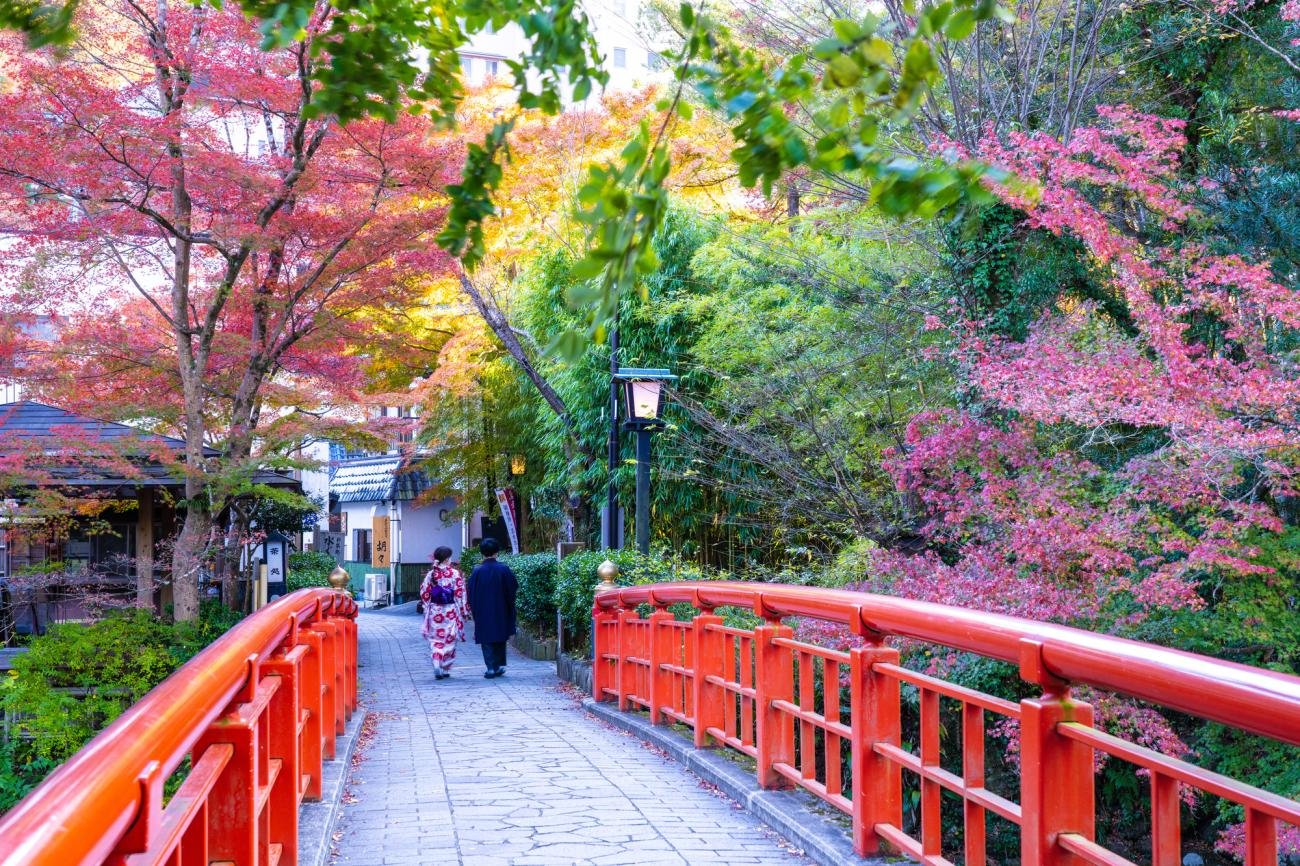
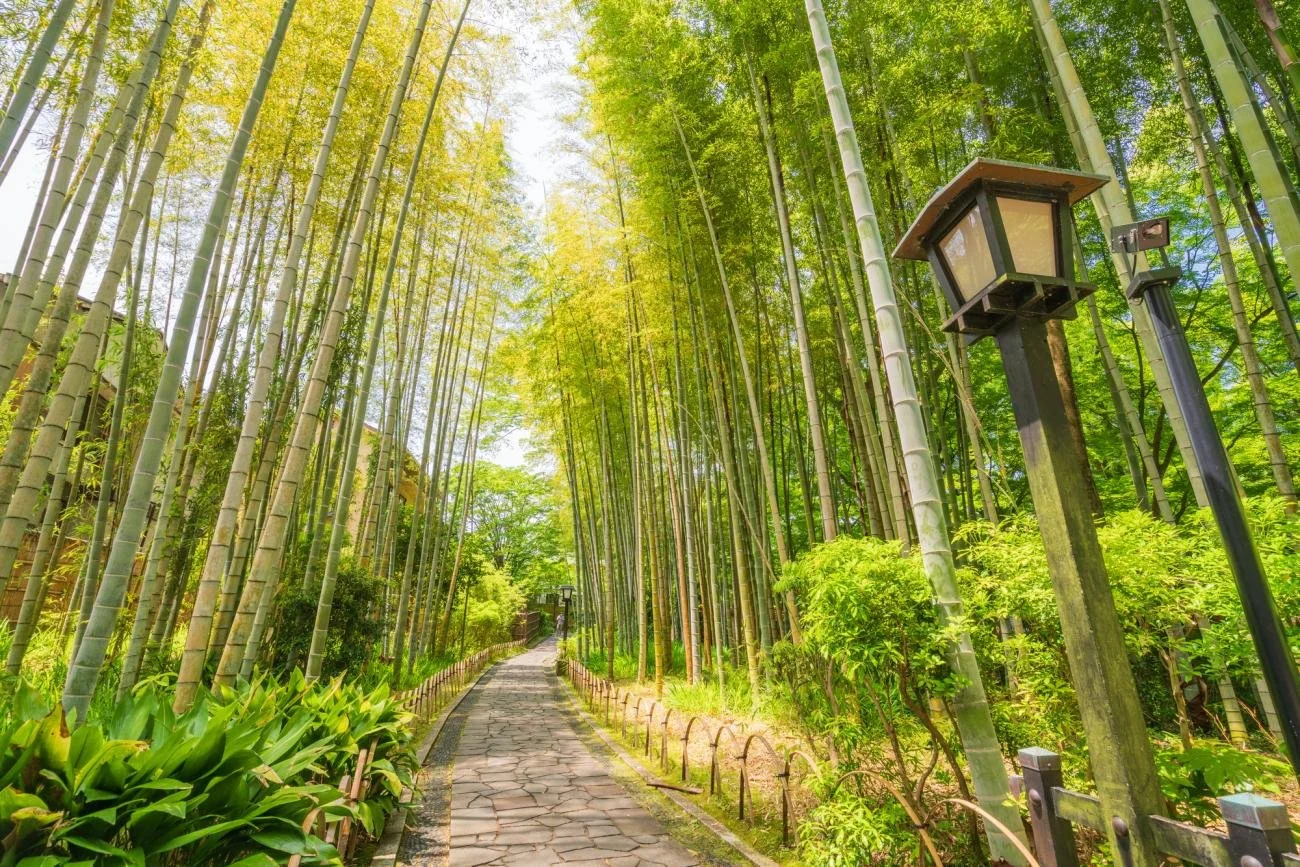
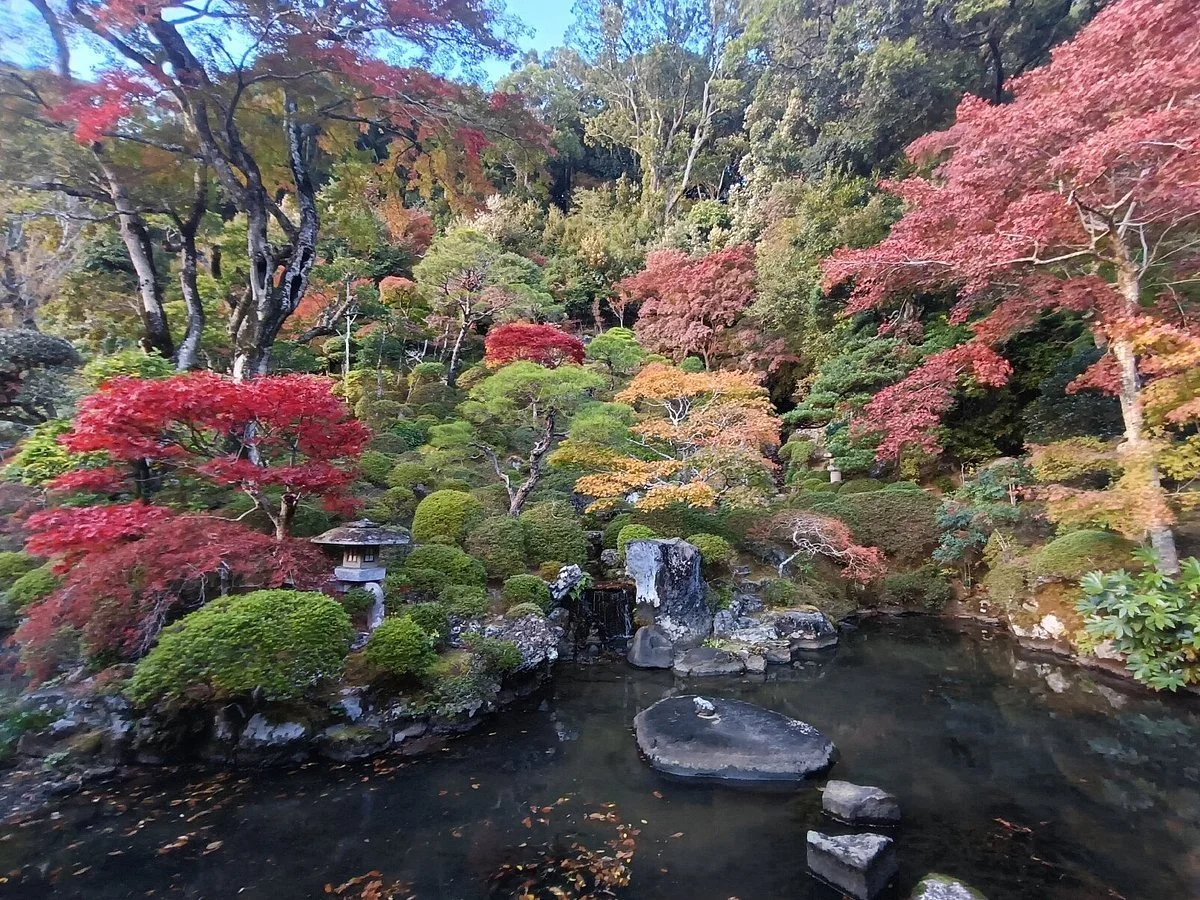
The retreat we've designed — five days in Shuzenji, Izu, this November — is not a highlights tour of Japan. It's an invitation into the Japan I know. The quiet one. The one that exists in a Zen temple early morning, in the mineral warmth of a private onsen, in the ritual of preparing a bowl of matcha with full attention.
I'll be there the entire time as a host in my home country — in the truest sense of that word. Someone who wants you to feel at home in a place that is profoundly different from your everyday life, and to leave carrying something that doesn't fit in a suitcase.
The ryokan we’re staying at is small and intimate—with only 9 rooms. I wanted it that way. Staying small is the luxury on this retreat. It's the point.
A Note to Anyone Who Has Been Thinking About This
If you've been curious about this retreat, I'd love for you to reach out. Ask me anything — about the itinerary, about Japan, about what kind of experience this actually is. I have been dreaming about sharing this part of my life for a very long time, and I want to invite you to experience it.
If something in what I've written here resonates — if you recognize that quiet in yourself that is looking for somewhere to land — I think Japan might be the place.
I'll see you there.
— Miho
About Our Retreat
The House Nine Zen & Mindfulness Japan Retreat — November 9–14, 2026 — was designed specifically around these principles. It is led by Miho Hatanaka, born and raised in Japan and co-founder of House Nine Wellness in Portland. The group is intentionally capped at 17. We stay at a five-star ryokan in Shuzenji with exclusive use of the property. Every room has a private in-room onsen. The itinerary is spacious, deeply rooted in Japanese philosophical and spiritual practice, and designed with integration in mind.
We've also partnered with The Travel Club — a boutique travel agency specializing in Japan — to handle all logistics and help guests extend their trip before or after the retreat if they choose.
It's not designed around famous sights or a packed schedule. It's designed around stillness, depth, and the particular kind of restoration that only happens when you fully arrive somewhere.
If that's what you're looking for, we'd love to have you join us.
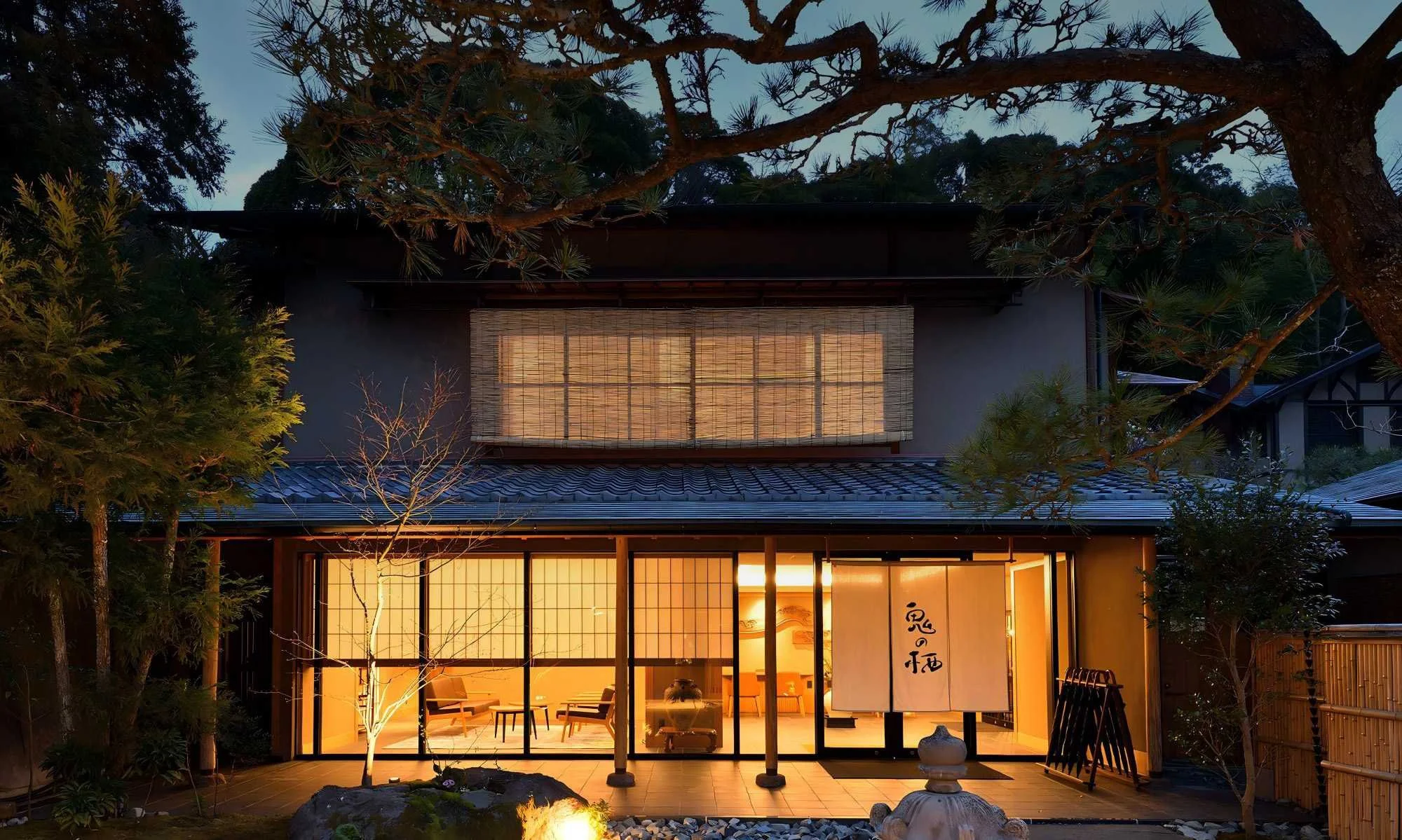
An Intentional Wellness Retreat Experience in Japan.
Small group · Luxury ryokan · Private onsen · Led by a Japan-born guide. Spots are limited.
