
How to Choose a Wellness Retreat in Japan: What to Look For (And What to Avoid)
A practical guide for discerning travelers who want depth, not just a beautiful backdrop.
Reading time: 8 min Category: Retreat Planning Author: Miho Hatanaka
The wellness travel market has exploded since the pandemic, and Japan has become one of its most desirable destinations.
A quick search returns dozens of options: yoga retreats, silent meditation intensives, "cultural immersion" packages that are really just guided tours with a morning stretch class. So how do you tell the difference?
After seven years running a wellness studio in Portland and having strong roots in Japan, I've developed a clear sense of what makes a retreat genuinely transformative versus what makes for a beautiful Instagram trip that leaves you without true inner transformation.
Here's what I look for — and what I look out for.
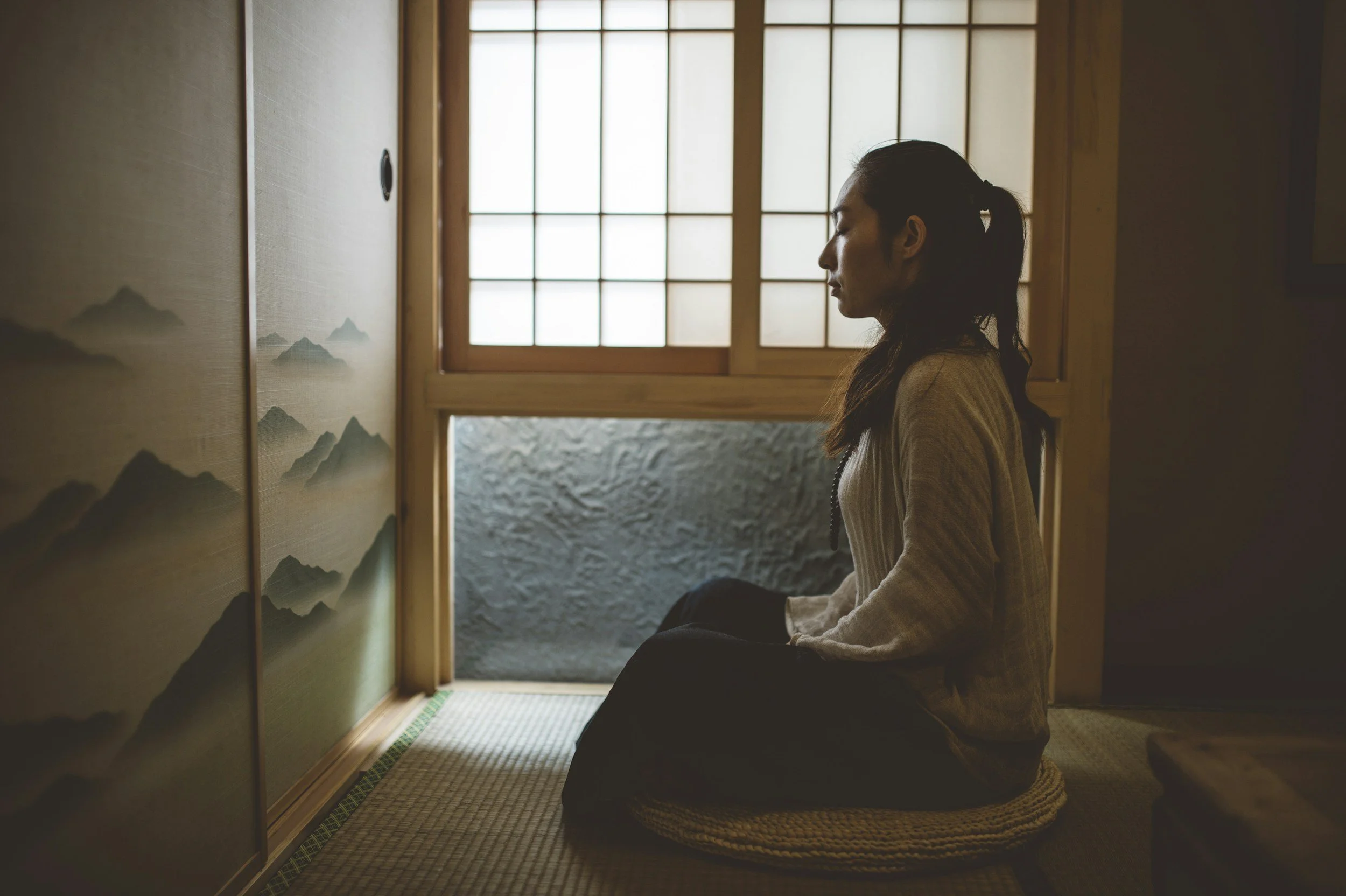
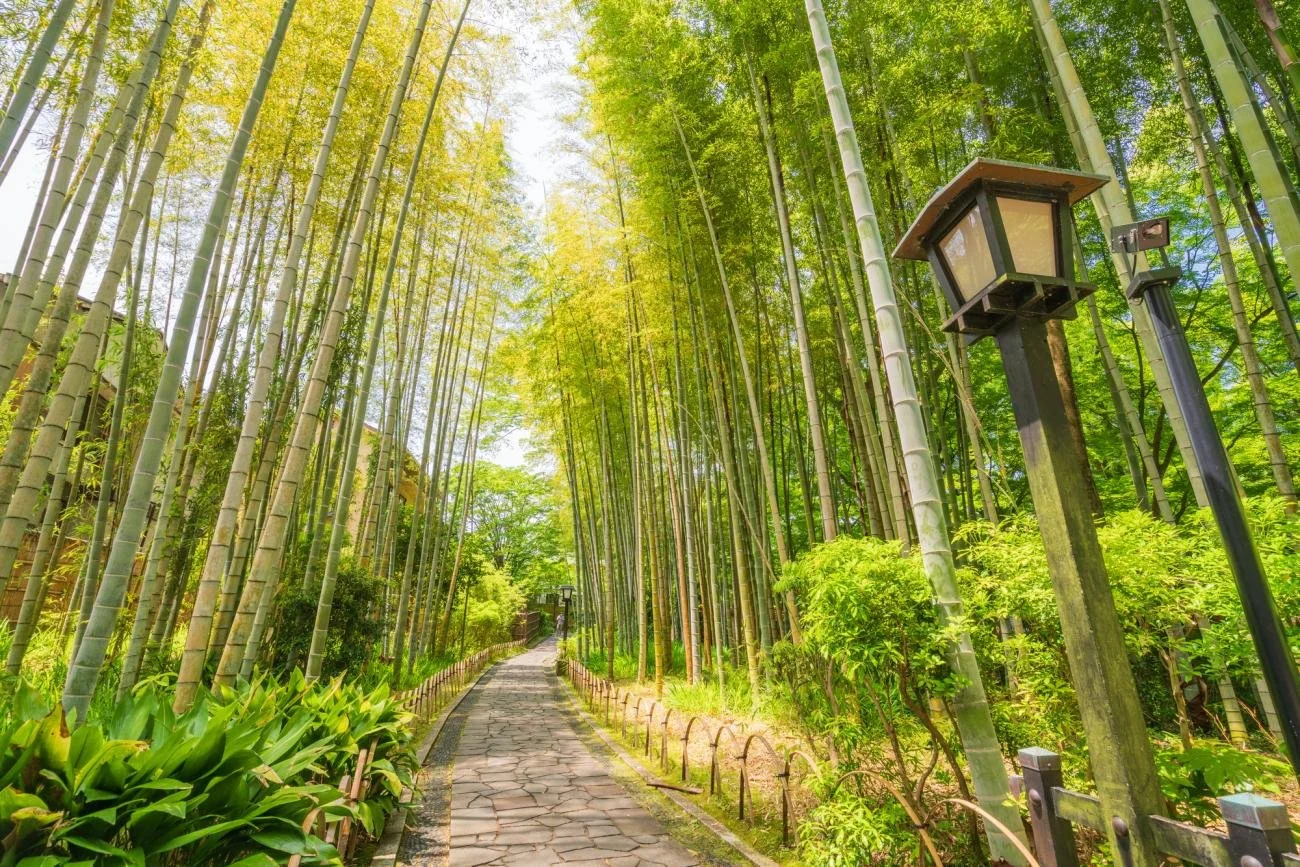
Shuzenji, Izu - a town pioneered by famous Zen monk 空海 Kukai in 807 AD
The 6 Questions to Ask Before Booking Any Japan Wellness Retreat
1. Who is leading this retreat — and do they actually know Japan?
This is the most important question, and the most often overlooked. A skilled retreat facilitator from outside Japan can offer excellent programming — but there's a meaningful difference between someone who has studied various wellness practices and someone who grew up living it.
Ask: Did the retreat leader spent significant time in Japan? Do they speak the language? Do they know the culture and traditions of Japan? Do they have relationships with local temples, guides, and practitioners — or are they working from a checklist? The depth of your experience will correlate directly with the depth of your guide's connection to the place and the larger cultural context.
2. How large is the group?
Large groups (20+ people) fundamentally change the nature of the experience. You lose access to intimate spaces. Meals become logistical rather than ceremonial. The quality of individual attention drops. The best Japan retreats keep groups small — ideally under 20 — so that the experience can be genuinely personal and the spaces you visit remain contemplative rather than crowded.
3. What is the accommodation — and how is it integral to the experience?
A wellness retreat in Japan that puts you in a Western hotel is missing something essential. The ryokan — a traditional Japanese inn — is itself an intentional wellness practice. The architecture, the rituals of the tatami room, the private onsen, the kaiseki meals: these are not backdrop. They are the curriculum throughout your stay. Look for retreats where the accommodation is inseparable from the philosophy.
"The space you sleep in shapes how deeply you can rest. In Japan, this is not just a pretty interior design — it is a centuries-old custom."
4. Is the itinerary spacious or packed?
Over-programmed retreats are one of the most common complaints from wellness travelers. When every hour is scheduled, you never fully arrive. The best retreats build deliberate spaciousness into each day — time for private reflection, spontaneous walks, extended onsen soaks. If a retreat's marketing shows a day-by-day schedule that runs 8am–9pm without breaks, keep looking.
5. Does it go beyond the tourist circuit?
Visiting Kyoto is magnificent. Tokyo is extraordinary. They are also extremely popular and polulated, and the kind of quiet, contemplative immersion that wellness retreats promise is genuinely difficult to achieve in crowded tourist destinations.
Look for retreats in less-visited areas: the Izu Peninsula, Shizuoka, the Japan Alps, rural Tohoku, or Kyushu. These regions offer the Japan that wellness culture actually emerges from — slower, more intimate, more deeply connected to nature and tradition.
6. What do you take home?
The best retreats are designed for integration — not just experience. Ask whether the programming includes reflective journaling, intention-setting, or any framework for bringing what you've practiced back into daily life. A beautiful week that leaves no trace isn't a retreat. It's a vacation.
Some Flags to Watch For
Retreats that list famous landmarks (Shibuya crossing, Fushimi Inari) as wellness experiences
Vague descriptions of "authentic Japanese culture" with no specifics about local partnerships or guides
Groups of 25 or more
Retreat leaders with no verifiable connection to Japan beyond a past visit
No clear cancellation or refund policy
Why November in Izu Is Particularly Special
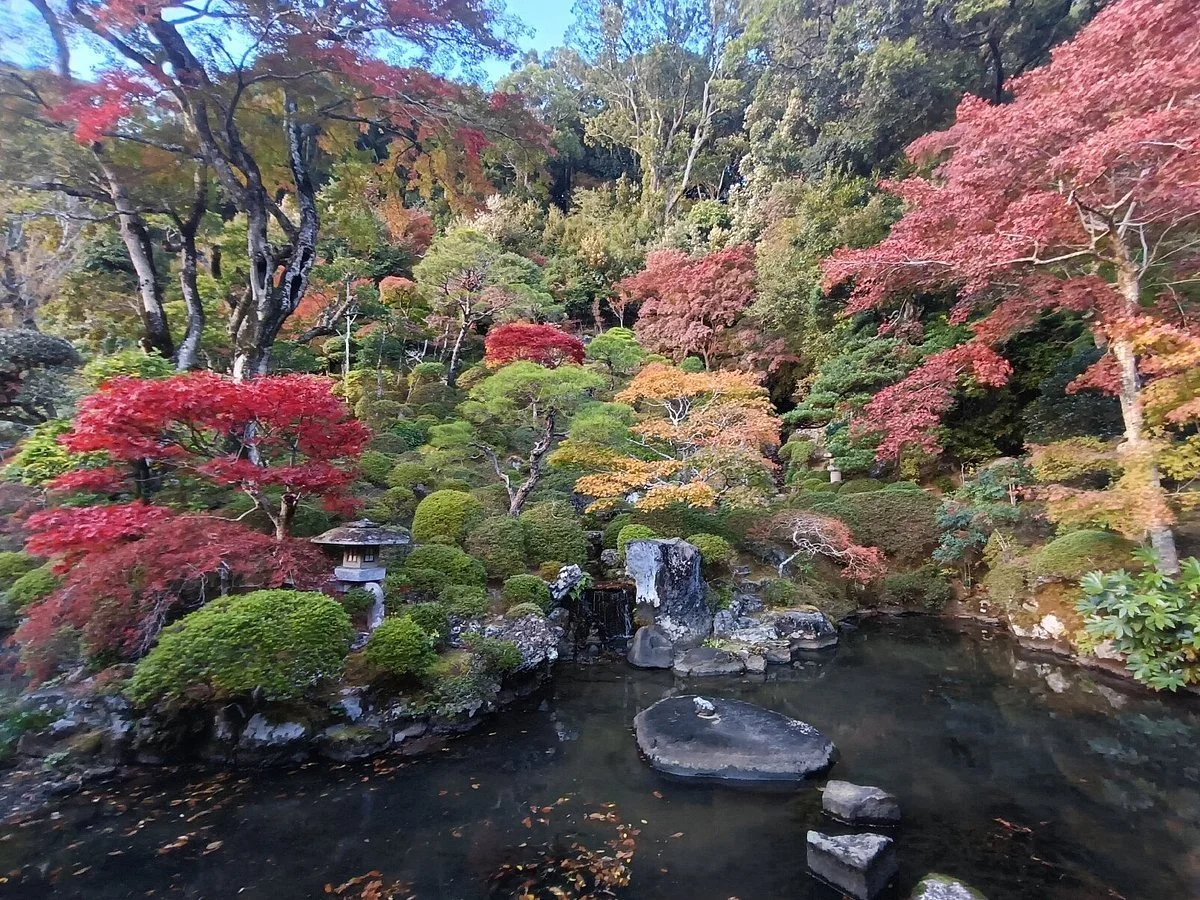
If you're going to do this, timing matters. November is peak autumn foliage season in the Izu Peninsula — temperatures are cool and crisp (roughly 46–65°F), the landscapes are stunning in red and gold, and the summer tourist crowds have long since gone. Shuzenji, where we'll be staying, transforms into something almost impossibly beautiful during this season.
It is also, not coincidentally, a time of year when high-achieving professionals are starting to feel the cumulative weight of a full year of work. November is when people most need what Japan offers.
About Our Retreat
The House Nine Zen & Mindfulness Japan Retreat — November 9–14, 2026 — was designed specifically around these principles. It is led by Miho Hatanaka, born and raised in Japan and co-founder of House Nine Wellness in Portland. The group is intentionally capped at 17. We stay at a five-star ryokan in Shuzenji with exclusive use of the property. Every room has a private in-room onsen. The itinerary is spacious, deeply rooted in Japanese philosophical and spiritual practice, and designed with integration in mind.
We've also partnered with The Travel Club — a boutique travel agency specializing in Japan — to handle all logistics and help guests extend their trip before or after the retreat if they choose.
This is not the retreat for everyone. It's not designed around famous sights or a packed schedule. It's designed around stillness, depth, and the particular kind of restoration that only happens when you fully arrive somewhere.
If that's what you're looking for, we'd love to have you join us.
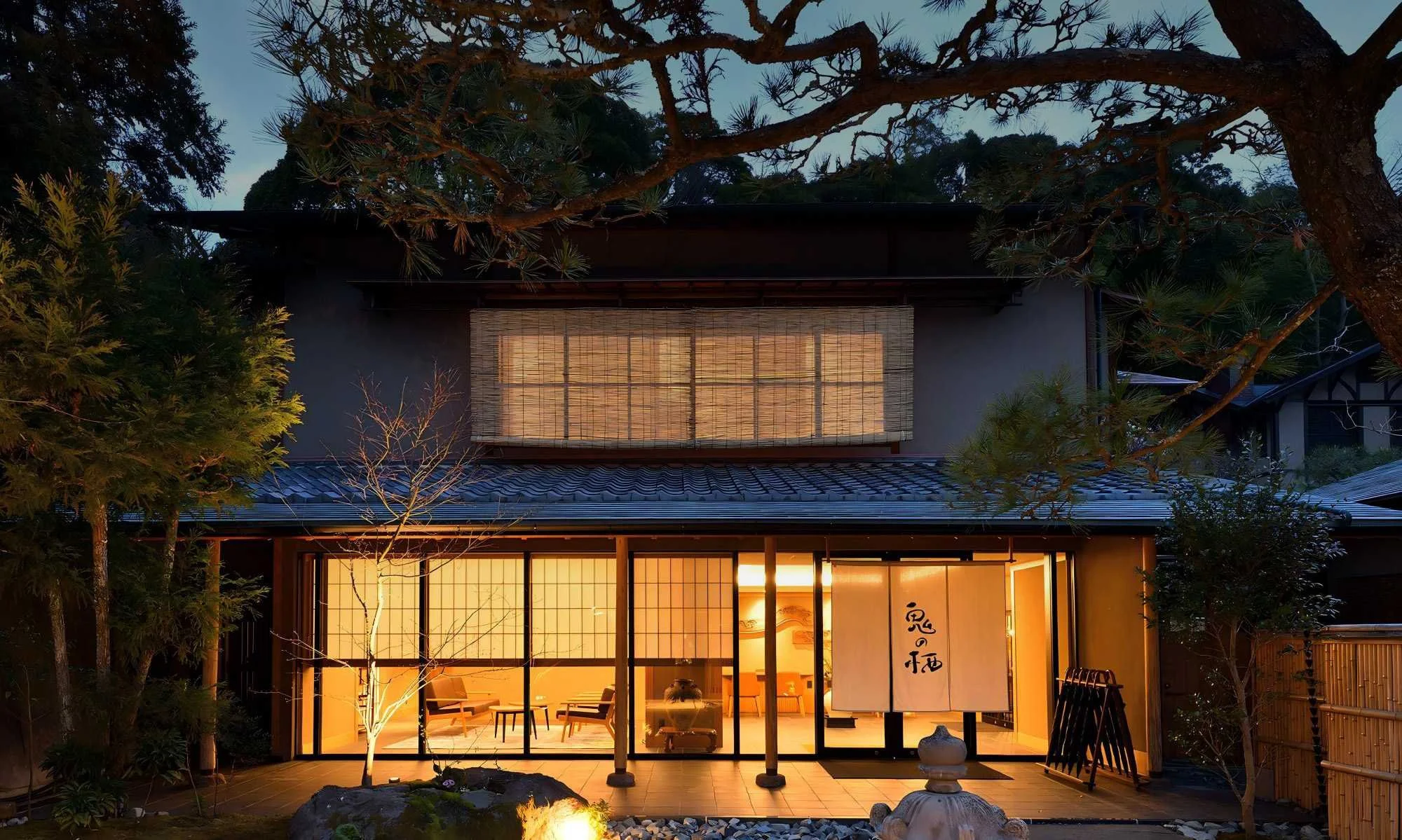
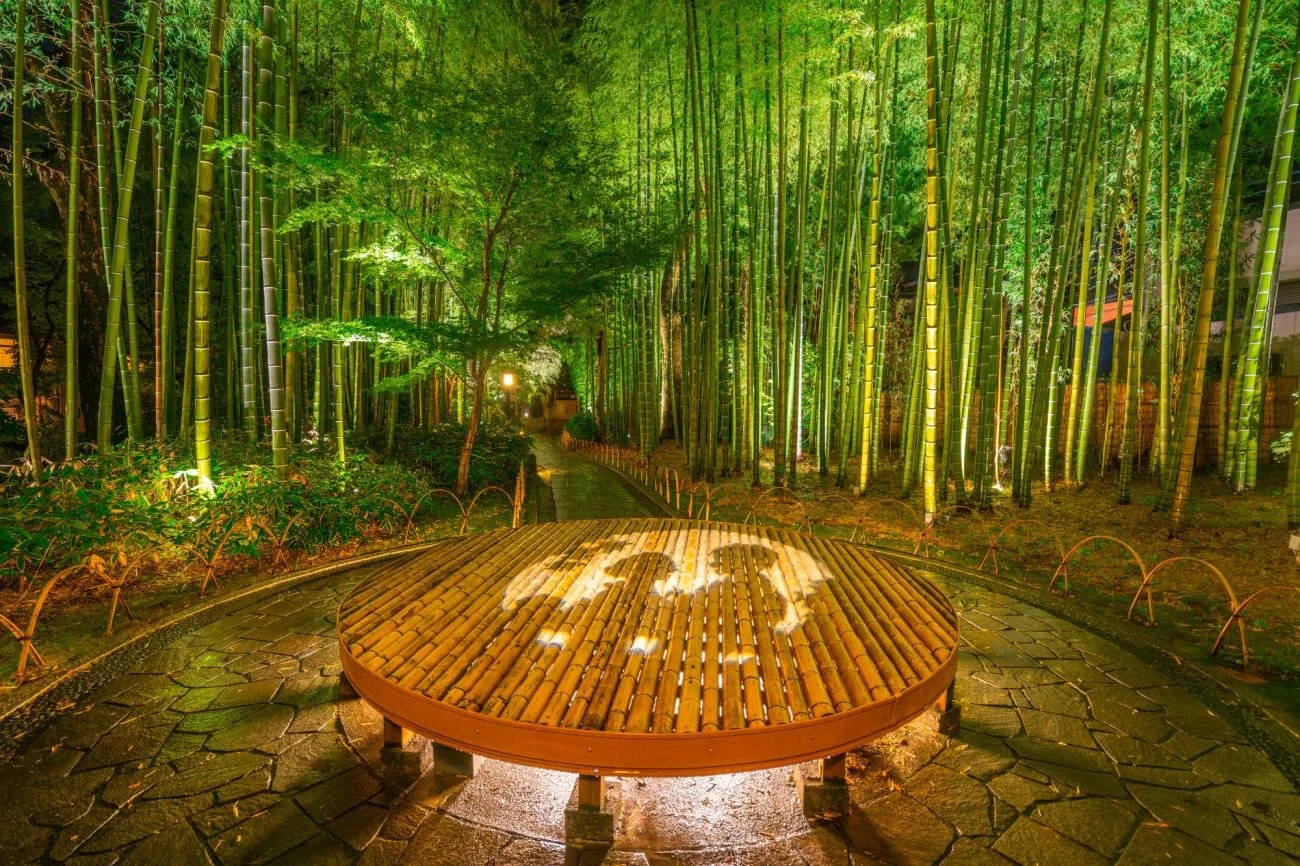
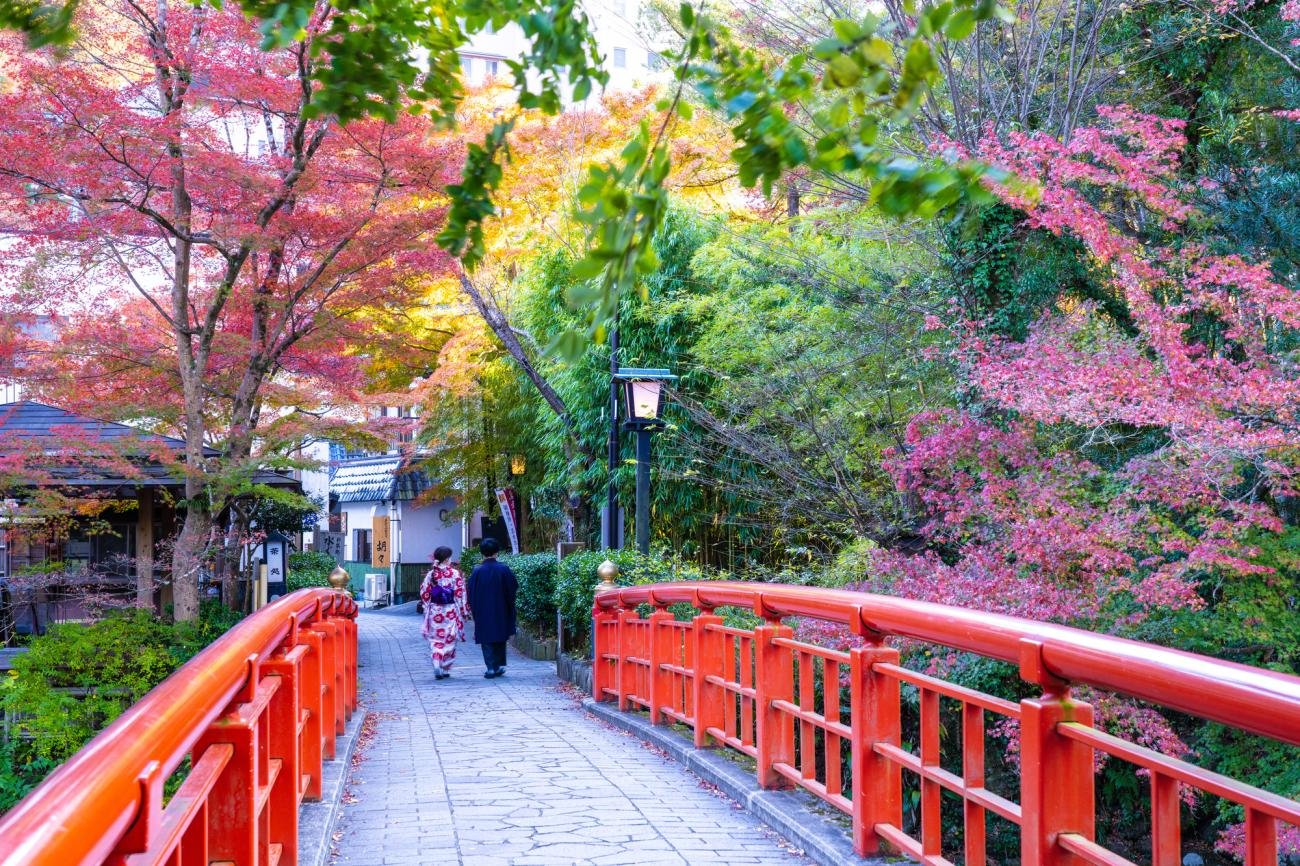
An Intentional Wellness Retreat Experience in Japan.
Small group · Luxury ryokan · Private onsen · Led by a Japan-born guide. Spots are limited.